

Sewage Treatment Plants in Housing Societies: How Waterless Urinals Reduce the Load
As Water Recycling Becomes the New Normal, Every Drop Counts
Across India, residential communities are entering a new era of water management. With states introducing stricter water conservation and recycling requirements, housing societies can no longer rely solely on municipal water supplies. In Gujarat, for example, upcoming regulations are pushing societies toward greater water recycling, while several other states are strengthening similar policies to address growing water stress.
For Resident Welfare Associations (RWAs), builders, and facility managers, this presents both a challenge and an opportunity. Most discussions focus on installing Sewage Treatment Plants (STPs) or rainwater harvesting systems. However, one simple solution is often overlooked: reducing the amount of wastewater entering the STP in the first place. That's where waterless urinals can make a remarkable difference.
Water is no longer an unlimited resource, and housing societies across India are beginning to feel the pressure. Rapid urbanization, declining groundwater levels, rising water demand, and stricter environmental regulations are changing how residential communities manage water. Instead of relying solely on fresh municipal or borewell water, many societies are now investing in sewage treatment plants (STPs) to treat and reuse wastewater for applications such as landscaping, toilet flushing, and cleaning. Water recycling is quickly becoming an essential part of sustainable community management rather than just an environmental initiative.

However, treating wastewater is only one side of the equation. The smarter approach is to reduce unnecessary water consumption before it becomes wastewater. Every litre of potable water that doesn't go down the drain is a litre that doesn't need to be collected, pumped, treated, or recycled. This is where water-efficient technologies, particularly Zerodor waterless urinals, play a vital role. By eliminating flushing water entirely, they reduce both freshwater consumption and the load on the STP, helping housing societies lower operating costs while building a more resilient and sustainable water management system.
Why STPs in Housing Societies Face Constant Pressure
A sewage treatment plant is designed to collect, treat, and recycle wastewater generated by residents. Every flush, shower, kitchen sink, and washing machine contributes to this wastewater stream. In many housing societies, STPs struggle because of:
High daily wastewater volumes
Rising electricity costs
Frequent maintenance
Excess sludge generation
Odor complaints
Pump failures
Inconsistent treated water quality
When more water enters the system than necessary, the entire treatment process becomes more expensive and difficult to manage. Sewage Treatment Plants (STPs) are designed to collect, treat, and recycle wastewater generated by an entire residential community. Every flush, shower, kitchen sink, washing machine, and tap contributes to the volume of water that the STP must process every day. As housing societies grow in size and occupancy, the amount of wastewater increases significantly, placing constant pressure on treatment systems. During peak hours, STPs often have to handle large volumes of sewage continuously, leading to higher electricity consumption, increased wear on pumps and aeration systems, more sludge generation, and rising maintenance costs.
If not managed efficiently, overloaded STPs can also struggle to consistently produce high-quality recycled water. One of the biggest but often overlooked contributors to this load is restroom flushing. Every litre of clean water used to flush a conventional urinal eventually becomes wastewater that must be pumped, treated, disinfected, and recycled. This creates unnecessary work for the STP while increasing operational expenses. By reducing water use at the source with solutions such as Zerodor waterless urinals, housing societies can significantly decrease the volume of wastewater entering the treatment plant. The result is a more efficient STP, lower energy and maintenance costs, improved recycling performance, and a more sustainable approach to community water management.

The Hidden Waste: Every Urinal Flush Adds to the STP Load
Most people associate water conservation with showers or kitchen taps, but commercial and residential restrooms are significant contributors to wastewater generation. A conventional urinal typically uses 1–4 litres of water per flush. In apartment clubhouses, community halls, gyms, security cabins, visitor areas, and common washrooms, hundreds of flushes can occur every day. That means thousands of litres of perfectly clean drinking water are used simply to transport urine into the sewage system. Every litre flushed becomes another litre the STP must pump, aerate, treat, disinfect, and recycle.
One of the biggest yet least recognized contributors to wastewater generation in housing societies is the humble urinal. Every time a conventional urinal is flushed, 1 to 4 litres of clean drinking water are used simply to carry urine into the drainage system. While each flush may seem insignificant, the numbers add up quickly in common areas such as clubhouses, gyms, visitor washrooms, security cabins, and community halls, where hundreds of people use these facilities every day. This unnecessary use of potable water not only increases water consumption but also creates additional wastewater that must be treated by the society's Sewage Treatment Plant (STP).
The impact goes far beyond higher water bills. Every extra litre flushed becomes another litre the STP must collect, pump, aerate, treat, and recycle, increasing electricity consumption, sludge generation, equipment wear, and maintenance costs. Instead of making the treatment plant work harder, housing societies can reduce wastewater at the source by adopting Zerodor waterless urinals, which eliminate flushing water altogether while providing an odor-free, hygienic restroom experience. By preventing unnecessary wastewater from entering the STP, societies can improve treatment efficiency, lower operating costs, and take a significant step toward smarter and more sustainable water management.
How Waterless Urinals Reduce the Load on STPs
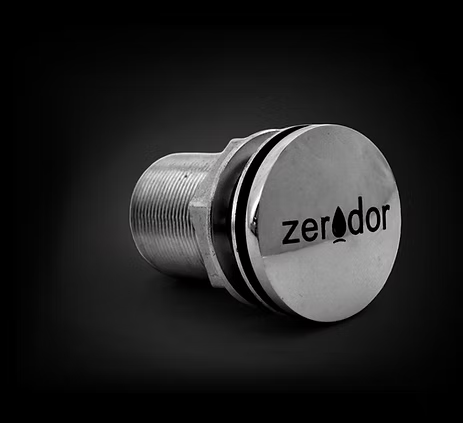
Waterless urinals completely eliminate flushing water while maintaining hygiene and odor control through advanced mechanical sealing technology. How Waterless Urinals Reduce the Load on STPs . Waterless urinals reduce the load on Sewage Treatment Plants (STPs) by eliminating one of the most unnecessary sources of wastewater, flushing water. Unlike conventional urinals that require 1–4 litres of water per use, Zerodor waterless urinals operate without any flushing, saving thousands of litres of potable water every year. Using a patented one-way mechanical valve, they effectively block sewer gases and control odors without relying on water, electricity, cartridges, or chemicals. Since no flushing water enters the drainage system, the total volume of wastewater reaching the STP is significantly reduced from the very first day of installation.
This reduction in wastewater has a direct impact on STP performance and operating costs. With less water to pump, aerate, and treat, the treatment plant consumes less electricity, generates less sludge, and experiences lower wear on pumps and other equipment. The result is more stable plant operation, reduced maintenance requirements, improved recycled water quality, and lower long-term operating expenses. By combining efficient wastewater treatment with Zerodor waterless urinals, housing societies can conserve fresh water while creating a more efficient, cost-effective, and sustainable sanitation system. Zerodor Waterless Urinals use a patented one-way mechanical valve that blocks sewer gases without requiring:
Water
Electricity
Chemical cartridges
Oil sealants
Sensors
Because no flushing water enters the drainage system, the volume of wastewater reaching the STP is immediately reduced. Instead of making the treatment plant work harder, the building simply generates less wastewater.

Less Wastewater Means Better STP Performance
Reducing wastewater at the source delivers multiple operational benefits.
1. Lower Hydraulic Load
With fewer litres entering the treatment plant each day, pumps, aeration systems, and settling tanks operate more efficiently.
2. Reduced Energy Consumption
Most STPs consume electricity to pump and aerate wastewater. When less water needs treatment, energy consumption decreases, reducing operating costs month after month.
3. Lower Maintenance Costs
Less wastewater means:
Reduced wear on pumps
Lower sludge generation
Fewer blockages
Reduced equipment stress
This translates into fewer maintenance interventions and longer equipment life.
4. Better Water Recycling Efficiency
STPs perform more consistently when they are not overloaded. Reducing unnecessary flushing water helps maintain stable treatment conditions, resulting in higher-quality recycled water for gardening, flushing (where applicable), and landscaping.
Ideal Locations Inside Housing Societies
Waterless urinals are especially effective in shared spaces with high footfall, including:
Clubhouses
Community centres
Sports complexes
Swimming pool changing rooms
Security cabins
Visitor washrooms
Maintenance offices
Parking area restrooms
These are locations where water savings accumulate rapidly because of frequent daily use.
Supporting ESG and Sustainable Communities
Environmental, Social, and Governance (ESG) goals are becoming an important priority for housing societies, developers, and residential communities. Residents today expect communities to use resources responsibly, reduce their environmental impact, and prepare for future water challenges. Investing in efficient water management solutions, such as sewage treatment plants (STPs), rainwater harvesting, water-efficient fixtures, and Zerodor waterless urinals, helps societies significantly reduce freshwater consumption, lower wastewater generation, and improve resource efficiency. These initiatives not only support sustainability objectives but also demonstrate a long-term commitment to responsible community management.

Beyond environmental benefits, smarter water management creates tangible value for residents and facility managers alike. Lower water and energy consumption reduce operating expenses, efficient STPs improve recycled water quality, and reduced maintenance requirements contribute to better infrastructure performance. By minimizing the load on sewage treatment systems and conserving thousands of litres of potable water every year, Zerodor waterless urinals help housing societies build resilient, future-ready communities. Together, these solutions strengthen ESG performance, enhance green building credentials, and create cleaner, more sustainable living environments for generations to come.Modern housing societies are increasingly evaluated on their environmental performance. Reducing freshwater consumption and improving wastewater management supports:
Sustainable building certifications
Lower operating expenses
Responsible water stewardship
Better ESG reporting
Greater resilience during water shortages
By combining efficient STP management with water-saving technologies, societies create long-term environmental and financial value for residents.
Why Source Reduction Is Smarter Than Treating More Water
Why Source Reduction Is Smarter Than Treating More Water . Many housing societies focus on expanding the capacity of their Sewage Treatment Plants (STPs) to handle increasing volumes of wastewater. While efficient treatment is essential, it is often more cost-effective and sustainable to reduce wastewater generation before it reaches the treatment plant. Every litre of clean water that is unnecessarily used for flushing, washing, or inefficient fixtures eventually becomes wastewater that must be pumped, aerated, treated, disinfected, and recycled. By cutting water consumption at the source, societies not only conserve precious freshwater but also reduce the overall burden on their water infrastructure. This is where solutions like Zerodor waterless urinals make a significant difference.
By eliminating flushing water entirely, they prevent thousands of litres of unnecessary wastewater from entering the STP every year. The result is lower electricity consumption, reduced sludge generation, less wear on pumps and equipment, and lower maintenance costs. Instead of continuously investing in treating larger volumes of wastewater, housing societies can improve efficiency by generating less wastewater in the first place, creating a smarter, more economical, and more sustainable approach to water management.Many societies invest heavily in expanding treatment capacity when wastewater volumes increase. A smarter strategy is to reduce wastewater generation before it reaches the STP.
Every litre of water that is never flushed:
Doesn't require pumping
Doesn't consume electricity
Doesn't need biological treatment
Doesn't produce additional sludge
Doesn't increase maintenance costs
Preventing wastewater is often more cost-effective than treating it later.
The Ekam Eco Solutions Approach
At Ekam Eco Solutions, we believe sustainable sanitation starts by reducing water use at the source.Our integrated solutions combine:
Zerodor Waterless Urinals that eliminate flushing water while ensuring odor-free, hygienic operation.
NutriZorb STP Solutions that help communities efficiently treat and recycle wastewater with lower operational costs.
Together, these solutions enable housing societies to conserve fresh water, reduce STP load, lower energy consumption, and build future-ready water management systems.
Conclusion
As water recycling regulations become more common across India, housing societies must think beyond simply treating wastewater, they need to generate less of it. Waterless urinals offer one of the simplest, fastest, and most cost-effective ways to reduce freshwater consumption while easing the burden on sewage treatment plants. When paired with an efficient STP, they create a smarter, more sustainable sanitation ecosystem that saves water, cuts operational costs, and prepares communities for a future where every drop truly counts.
Frequently Asked Questions
1. How do waterless urinals reduce the load on an STP?
They eliminate flushing water, which means less wastewater enters the sewage treatment plant, reducing hydraulic load, energy consumption, and maintenance requirements.
2. Are waterless urinals suitable for housing societies?
Yes. They are ideal for common-area washrooms such as clubhouses, gyms, security cabins, visitor areas, and community halls where daily usage is high.
3. Will waterless urinals produce bad odors?
Not when high-quality systems like Zerodor are used. Their patented mechanical valve technology blocks sewer gases without water, cartridges, or chemicals.
4. Can reducing STP load lower operating costs?
Yes. Lower wastewater volumes mean reduced pumping, aeration, sludge handling, electricity consumption, and equipment wear, resulting in lower overall operating expenses.
5. Why should housing societies combine waterless urinals with STPs?
Waterless urinals reduce wastewater generation, while STPs treat and recycle the remaining wastewater efficiently. Together, they maximize water conservation, improve sustainability, and reduce long-term costs.



Comments