

Redefining Airports Hygiene : The Journey Towards Odor-Free , Eco-Friendly , Passenger Centric Washrooms
Airports are among the busiest publics spaces in the world , handling thousands of passengers daily. With such high footfalll , maintatining hygiene is not just a matter of cleanlienss- its an essential part of passengers experience and public health. One area that consistently defines the quality of an airport's sanitation standards is its washrooms. Unfortunately foul odor, poorly maintatined facilities, and chemical- heavy cleaning products are still common problems in many airports. By adopting odor - free washrooms practices,aiports can significantly elevate hygiene standards and enhance traveler satisfaction .

Why Odor Control Matters In Airports
A traveler’s impression of an airport often extends beyond the lounges and boarding gates. Washrooms serve as a source for hygiene. Persistent odors not only create discomfort but also suggest poor sanitation, even when surfaces appear clean. For international passengers, especially those spending long hours in transit, access to fresh, hygienic, and odor-free restrooms is a basic expectation.
Sustainablity Solutions For Odor-Free Rooms
At Ekam Eco Solutions , we specialize in eco-friendly sanitation systems that combine hygiene, sustainability, and efficiency. Here’s how airports can benefit:
Zerodor Waterless Urinals Our patented Zerodor urinals eliminate the need for chemical cartridges and save up to 100% of flushing water. By preventing urine stagnation, they also ensure a naturally odor-free washroom experience.
Bio-Enzyme Cleaners Instead of harsh chemicals, our enzyme-based cleaners actively break down organic matter at the source, removing odor and ensuring long-lasting cleanliness. These products are safe for travelers, staff, and the environment.
Eco-Friendly Odor Control Unlike synthetic air fresheners loaded with VOCs, Zerodor Care products use natural, plant-based formulations to neutralize odor safely and effectively. This keeps the air fresh while reducing health risks.
Smart Maintenance Practices Combining Ekam’s sustainable products with sensor-based monitoring systems allows housekeeping staff to respond quickly to cleaning needs, ensuring consistently fresh and hygienic washrooms.

Key Strategies For Odor-Free Hygienic Washrooms
Adopt Waterless and Low-Water Urinals
Traditional urinals consume large amounts of water and often contribute to odor buildup due to poor flushing. Waterless urinals and eco-friendly alternatives like Zerodor systems help airports save water while preventing urine stagnation, which is a major cause of odor.
Use Enzyme Based Cleaners
Instead of relying on harsh chemical cleaners, airports can use bio-enzymatic cleaning solutions. These cleaners break down organic matter at the source, eliminating odor rather than masking it. They are safe for travelers, staff, and the environment.
Improve Ventilation and Airflow
Proper ventilation in wasrooms prevents odor accumulation. Airports can install energy-efficient exhaust systems and air purifiers that neutralize volatile organic compounds (VOCs), ensuring fresher indoor air quality.
Regular Maintenance with Smarter Monitoring
Technology-enabled washroom monitoring systems can alert housekeeping staff when supplies run low or when cleaning is required. Smart sensors can also track odor levels, ensuring proactive intervention before passengers notice issues.
Eco-Friendly Odor Control Solutions
Natural odor-neutralizing products, such as plant-based sprays and gels, provide a safer alternative to synthetic air fresheners that often contain harmful VOCs. These not only keep washrooms smelling fresh but also reduce health risks for travelers.
Airports Washrooms Hygiene : Elevating Passenger Experience Through Clean , Odor-Free Facilities
Airports are high-traffic hubs that welcome thousands of travelers daily. For many passengers, washrooms are the most frequently used spaces in an airport—and also the most critical in shaping their perception of cleanliness and comfort. Airport washroom hygiene is not just about appearance; it’s about ensuring public health, passenger satisfaction, and operational efficiency.
Why Airports Washrooms Hygiene Matters
First Impressions Count – Passengers often judge an airport’s overall standards based on its washrooms. A clean, odor-free facility signals efficiency and care.
Public Health Protection – Washrooms are breeding grounds for germs and bacteria. Maintaining hygiene reduces the risk of infections, especially in global transit points.
Passenger Comfort – Long journeys demand hygienic rest stops. Odor-free, well-stocked washrooms reduce stress for travelers.

Key Elements Of Hygienic Airports Washrooms
Odor-Free Systems Persistent odors create an impression of poor sanitation. Solutions like waterless urinals, enzyme-based cleaners, and natural odor control products keep washrooms fresh and hygienic.
Sustainable Cleaning Practices Switching to eco-friendly, non-toxic cleaning agents ensures effective sanitation while protecting passengers and staff from harmful chemicals.
Regular Sanitization High-touch points such as door handles, faucets, and flush buttons should be sanitized frequently to minimize germ transmission.
Smart Monitoring Technology Sensor-based systems can track footfall, supply usage, and even odor levels. Real-time alerts allow cleaning staff to maintain washrooms proactively.
Accessibility and Comfort Hygienic washrooms must also be inclusive—providing clean, well-maintained facilities for families, people with disabilities, and elderly travelers.
The Role Of Sustainability
Modern airports are embracing green building practices. Hygienic washrooms that also conserve water and reduce chemical use contribute to environmental goals while enhancing the passenger experience. For example, waterless urinals, bio-enzymatic cleaners, and plant-based odor control align with global sustainability benchmarks and help airports achieve certifications like LEED and GRIHA.
Restroom Odor Management: Creating , Fresh , Hygienic, Odor -Free And Welcoming Spaces
Restrooms are one of the most frequently used facilities in public spaces—airports, hotels, offices, schools, and shopping malls. While cleanliness is expected, one factor often overlooked is odor control. Even the cleanest restroom can feel unhygienic if it carries unpleasant smells. Effective restroom odor management is therefore essential for ensuring user comfort, maintaining a positive impression, and upholding hygiene standards.

Why Odor Management Is Important
First Impressions Last – Foul smells immediately signal poor hygiene, even if the restroom is spotless.
User Experience – Fresh-smelling restrooms enhance comfort and reduce complaints.
Health & Safety – Many odor-masking products contain harmful VOCs (Volatile Organic Compounds), which can affect air quality and health.
Sustainability Goals – Modern facilities aim to balance hygiene with eco-friendly practices.
Key Strategies for Effective Restroom Odor Management
Eliminate, Don’t Mask Odors Traditional air fresheners only cover smells temporarily. The focus should be on removing odor at the source using solutions like bio-enzymatic cleaners that break down organic matter.
Adopt Waterless or Low-Water Urinals Stagnant water is a major cause of urine-related odors. Installing waterless urinals or sustainable alternatives like Zerodor systems reduces odor while saving water.
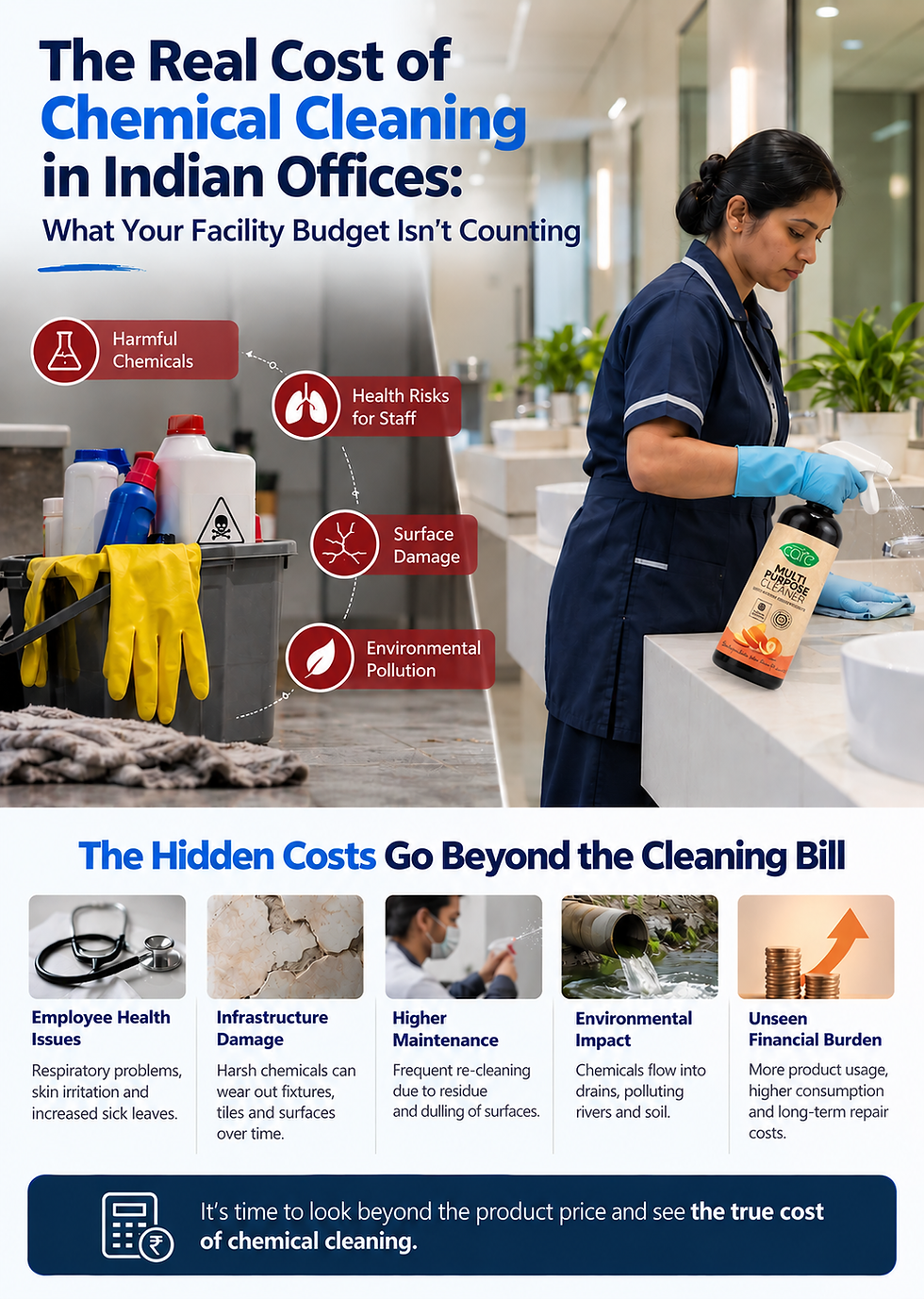
Eco-Friendly Cleaning Products Chemical-heavy cleaners may temporarily suppress smells but often leave behind harsh residues. Switching to plant-based and enzyme-based cleaning agents ensures deep cleaning without harmful side effects.
Improve Ventilation Proper airflow reduces humidity and prevents odor buildup. Exhaust systems, air purifiers, or natural ventilation help maintain a fresh environment.
Regular Maintenance and Monitoring Using sensor-based monitoring for supply levels, foot traffic, and even odor detection allows staff to address issues before users notice them.
Natural Odor Neutralizers Products made from essential oils and natural compounds can neutralize bad smells without adding chemicals to the air.
The Sustanibility Advantage
Smart restroom odor management is not only about hygiene but also about sustainability. Facilities that reduce water consumption, minimize chemical use, and maintain better air quality contribute to green building certifications and align with ESG (Environmental, Social, and Governance) goals.

Odor Management Solutions For Airports
Airports serve as the lifelines of modern transportation, handling millions of passengers every day. With such heavy foot traffic, maintaining hygiene and comfort becomes a challenge—especially in restrooms, waiting areas, and transit facilities. One of the biggest concerns in these spaces is odor control. Unpleasant smells can create discomfort, harm the passenger experience, and even raise concerns about sanitation standards. The solution lies in adopting sustainable odor management systems that go beyond masking smells to eliminate them at the source.
Why Odor Controls Matters In Transport Hubs
Passenger Experience – Clean, fresh-smelling washrooms improve comfort and reduce complaints.
Public Health & Safety – Odors often indicate poor hygiene or bacterial growth. Effective control ensures healthier environments.
Reputation & Ratings – For global airports and major railway stations, hygiene directly impacts brand image and customer satisfaction scores.
Sustainability Goals – Eco-friendly odor management supports water conservation and reduces reliance on harmful chemicals.
Effective Odor Management Solutions
Waterless & Low-Water Urinals Traditional urinals are water-intensive and prone to odor buildup. Systems like Zerodor waterless urinals prevent urine stagnation and ensure odor-free operation, saving millions of liters of water annually.
Bio-Enzyme Cleaners Enzyme-based cleaning products break down organic matter that causes foul smells, offering long-lasting cleanliness without toxic chemicals. Perfect for high-traffic washrooms in stations and terminals.
Natural Odor Neutralizers Instead of chemical-based air fresheners that release VOCs, plant-based neutralizers provide a safer, eco-friendly way to keep washrooms and waiting areas fresh.
Smart Washroom Monitoring IoT-enabled sensors can track odor levels, cleaning schedules, and supply shortages. This allows maintenance staff to respond quickly and maintain consistent hygiene standards.
Improved Ventilation Systems Proper airflow in washrooms and enclosed spaces ensures odors don’t accumulate. Pairing ventilation with eco-friendly cleaning ensures better air
quality.

Benefits Of Airports
Reduced water and chemical usage
Fresher, more hygienic facilities
Improved passenger experience and trust
Alignment with green building certifications and ESG reporting standards
Conclusion
Airport washroom hygiene is no longer just a matter of maintenance—it’s a critical component of service excellence and sustainability. By adopting innovative, eco-friendly sanitation solutions, airports can ensure that every traveler experiences fresh, clean, and safe washrooms that reflect world-class standards. Hygiene is a non-negotiable standard for modern airports. By adopting Ekam Eco Solution's odor-free, sustainable sanitation systems, airports can create washrooms that reflect world-class standards—clean, fresh, and environmentally responsible. After all, when travelers step into an airport washroom, it should leave them with confidence, not discomfort.


Comments