

Cut the Flow, Not the Impact: 5 Smart Ways to Save Water in Commercial Spaces
Water conservation is no longer just a “good to have” , it’s a necessity for commercial buildings aiming to reduce operating costs, improve sustainability, and meet modern environmental standards. From offices and malls to hotels and educational institutions, every commercial space has the opportunity to significantly cut water usage without compromising hygiene or user experience.
Here are five proven ways to reduce water consumption in commercial buildings.
1. Install Waterless Urinals
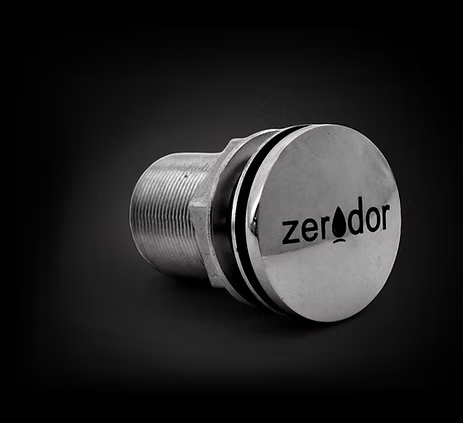
Traditional urinals use 1–3 liters of water per flush, and in high-footfall commercial buildings, this adds up to thousands of liters wasted every single day. Waterless urinals, such as Zerodor systems, completely eliminate this water usage by using a mechanical one-way sealing technology that blocks odor without requiring any chemicals or cartridges. These systems not only conserve 50,000–80,000 liters of water per urinal annually, but also reduce the load on plumbing infrastructure since fewer flushes mean less wear and tear on pipelines and drainage systems.
Additionally, waterless urinals help maintain cleaner washrooms because they prevent splashing, mineral deposits, and stagnant water buildup. They also reduce the dependency on expensive cleaning chemicals and lower maintenance costs over time. For commercial spaces like malls, corporate offices, airports, and educational institutions, switching to waterless urinals is one of the quickest, most cost-effective upgrades to achieve measurable sustainability outcomes while improving hygiene and user experience.

Why They Work
Zero water per flush
No electricity or sensors needed
Eliminates odor with a proprietary one-way sealing system
Reduces maintenance costs
Impact
A single waterless urinal can save 50,000–80,000 liters of water annually - imagine the savings across an entire floor or building.
2. Use Low-Flow Fixtures & Aerators
From faucets to showerheads, low-flow fixtures are one of the simplest and most effective ways to reduce water usage without compromising performance. Modern low-flow taps reduce water flow from the usual 8–12 liters per minute down to just 4–6 liters, while aerators mix air with water to maintain pressure and user comfort. Sensor-based faucets add an extra layer of efficiency by ensuring water only flows when needed, preventing accidental wastage in high-traffic areas like malls, offices, and restrooms.
These upgrades not only save 30–50% of water consumption instantly but also improve hygiene by minimizing touch points and reducing the spread of germs. For commercial buildings that heat water - such as hotels, gyms, and corporate campuses low-flow fixtures significantly lower energy bills by reducing the amount of water that needs to be heated. They also help maintain consistent water pressure across floors, improving user experience even during peak hours. With low installation costs and immediate impact, switching to low-flow fixtures and aerators is a high-ROI, sustainability-driven decision for any commercial property.

3. Implement Smart Water Monitoring Systems
Water wastage in commercial buildings often goes unnoticed - silent leaks behind walls, malfunctioning flush valves, overuse in restrooms, or inefficient cooling systems can waste thousands of liters before anyone even realizes it. Smart water monitoring systems, powered by IoT sensors and real-time data analytics, give facility managers complete visibility over water consumption across the entire building.
In large commercial buildings, where water distribution spans multiple floors and departments, smart monitoring enables precise zoning so managers can track washrooms, kitchens, HVAC systems, and outdoor areas separately. Over time, this data helps optimize water usage, predict maintenance needs, and reduce utility bills significantly. Buildings that adopt smart monitoring typically see 15–25% water savings within the first year, making it a crucial step toward long-term sustainability and operational efficiency.
4. Harvest Rainwater for Non-Potable Applications
Rainwater harvesting is quickly becoming a core sustainability practice for commercial buildings, especially those with large rooftops, open terraces, or parking structures. Instead of letting valuable rainwater flow into drains, buildings can capture, filter, and store it for non-potable applications such as toilet flushing, landscape irrigation, cooling towers, and general cleaning. This significantly reduces dependency on municipal water supply and cuts operational costs throughout the year.
Rainwater harvesting also improves water security during peak summer months or periods of water scarcity. The environmental benefits are equally impactful, as it reduces stormwater runoff, prevents flooding in surrounding areas, and supports groundwater recharge when designed with soak pits or recharge wells. Depending on roof size and rainfall patterns, even a medium commercial building can harvest 1–2 lakh liters of water per year, making it a high-impact, long-term investment in sustainability and resilience.

5. Upgrade to Efficient Cooling Tower Systems
Upgrading to efficient cooling tower systems involves adopting technologies and practices that reduce evaporation losses, minimize blowdown, and maintain optimal performance. Installing drift eliminators helps prevent water droplets from escaping into the air, saving both water and energy. Using advanced chemical-free water treatment systems - such as UV, ozone, or electrolysis-based solutions - prevents scaling, corrosion, and biological growth, allowing cooling towers to operate with higher cycles of concentration and significantly reduce blowdown frequency.
Regular maintenance also plays a crucial role; descaling, cleaning nozzles, and checking for leaks can drastically improve efficiency. Many modern systems also include smart sensors that monitor temperature, conductivity, and water levels to optimize water usage in real time. Additionally, recycling cooling tower blowdown water through filtration or RO systems allows buildings to reuse a significant portion of water that would otherwise go to waste.

Conclusion
Reducing water usage in commercial buildings is not just an eco-friendly move - it’s a smart financial decision. With the right combination of technology, smart fixtures, and water-efficient systems, buildings can save lakhs of liters every year.
Whether you're a facility manager, sustainability lead, or corporate decision-maker, adopting these strategies is a step toward a greener, more cost-efficient future.


Comments