

From IIT Delhi Research Lab to 800+ Organisations: The Zerodor Journey So Far
Every Innovation Begins with a Question
What if we could eliminate the need to flush millions of litres of clean drinking water every day?
It's a simple question, but one with enormous implications. In a country where water scarcity affects millions and urban populations continue to grow, using potable water simply to flush urinals no longer makes environmental or economic sense. The challenge was clear, create a solution that maintains hygiene, eliminates odor, and saves water, without compromising user experience. That question sparked an innovation that would eventually become Zerodor, a waterless urinal technology developed through research and engineering, with roots in an IIT Delhi research laboratory. Today, that innovation has grown far beyond the lab. It is helping 800+ organisations reduce water consumption, lower operating costs, and move closer to their sustainability goals.
Every breakthrough innovation starts with someone asking, "Can this be done differently?" In a world where freshwater resources are becoming increasingly scarce, this question is more relevant than ever. Every day, millions of litres of clean drinking water are used simply to flush urinals in offices, airports, malls, educational institutions, hospitals, and public buildings. While this has long been accepted as normal, it raises an important question: Should we be using precious drinking water for a purpose that can be achieved without it? Solving this challenge wasn't just about reducing water consumption, it was about rethinking conventional systems to create a smarter, more sustainable solution for the future.
This simple yet powerful question became the foundation of Zerodor. What began as research in an IIT Delhi laboratory evolved into an innovative waterless urinal technology designed to conserve water without compromising hygiene, performance, or user experience. Years of scientific research, product development, and real-world testing transformed an idea into a practical solution that organisations could trust. Today, Zerodor stands as proof that meaningful innovation doesn't always come from reinventing everything, it often begins by challenging everyday habits and finding better ways to use our planet's most valuable resources.

Turning Research into Real-World Impact
A great idea only creates value when it solves a real-world problem. While the concept of saving water through a waterless urinal sounded promising in the laboratory, its true success depended on how it performed in everyday environments. The challenge was to develop a solution that could withstand high footfall, remain hygienic, eliminate unpleasant odors, and require minimal maintenance, all without using a single litre of flushing water. Achieving this meant years of research, engineering, product refinement, and extensive field testing to ensure the technology could meet the expectations of businesses, institutions, and public facilities alike.
That commitment to practical innovation transformed Zerodor from a research project into a trusted sustainability solution. Today, organisations across industries are using Zerodor to reduce freshwater consumption, lower operational costs, and strengthen their environmental commitments without compromising user experience. Every successful installation demonstrates that scientific research can create measurable impact when it addresses real challenges faced by society. By turning an innovative idea into a reliable, scalable product, Zerodor has shown how research can move beyond the laboratory and become a meaningful part of India's journey toward smarter and more sustainable infrastructure.

Innovation Backed by Science
Zerodor was born from scientific research focused on creating a practical, reliable, and sustainable alternative to conventional urinals. Using advanced mechanical one way valve technology, the system allows urine to flow freely into the drainage system while preventing sewer gases and unpleasant odors from escaping. Behind every successful innovation is a strong foundation of research, testing, and continuous improvement. Zerodor was developed with the goal of solving a critical environmental challenge , reducing the unnecessary use of potable water in commercial washrooms without compromising hygiene or user comfort.
Originating from research at IIT Delhi, the technology underwent extensive development to ensure it could perform reliably in real-world conditions. Rather than relying on constant water flushing to maintain cleanliness, Zerodor uses an advanced technology . It eliminates the need for water flushing by using a patented, long-lasting mechanical one-way valve, system that allows waste to flow efficiently into the drainage line while creating a protective barrier that blocks foul sewer gases and unpleasant odors from escaping. This scientifically engineered approach delivers a clean, hygienic, and odour-free washroom experience while eliminating the need for flushing water.
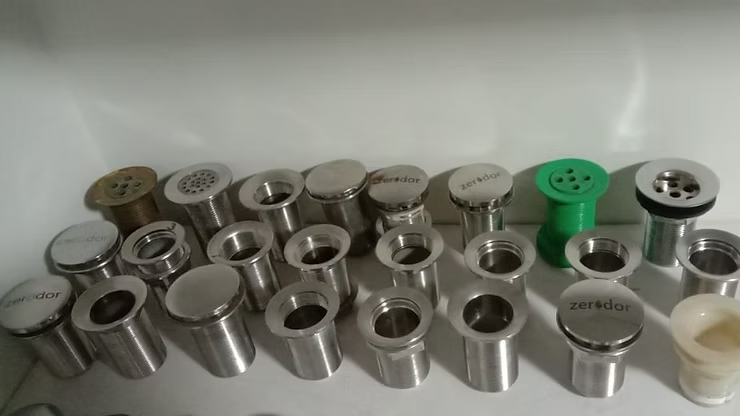
The science behind Zerodor goes beyond water conservation , it is about creating a sustainable solution that is practical, durable, and easy to maintain. Every component has been designed to withstand heavy daily usage in offices, airports, hospitals, educational institutions, factories, malls, and other high-footfall environments. By combining engineering innovation with environmental responsibility, Zerodor helps organisations save thousands of litres of potable water each year, reduce water and sewage costs, and support green building and ESG initiatives. It demonstrates that when scientific research is focused on solving everyday challenges, it can lead to solutions that create lasting benefits for businesses, communities, and the environment.
The result is simple:
No flushing water
No unpleasant odors
High hygiene standards
Lower maintenance requirements
Significant water savings
The technology demonstrates that sustainability and performance can work together rather than compete.

From a Research Lab to Hundreds of Organisations
Transforming a research-backed idea into a solution trusted by hundreds of organisations is never an overnight achievement. It requires years of innovation, rigorous testing, continuous improvement, and, most importantly, the confidence of the people who use it. What began as a research initiative at IIT Delhi has steadily evolved into a practical technology that addresses a real-world challenge, reducing unnecessary water consumption in commercial washrooms. With every successful installation, Zerodor demonstrated that it could deliver consistent performance, maintain high standards of hygiene, eliminate unpleasant odors, and help organisations save valuable freshwater without changing the user experience.

Today, Zerodor is trusted by 800+ organisations across diverse sectors, including corporate offices, manufacturing facilities, airports, hospitals, educational institutions, hotels, shopping malls, and government buildings. This growing adoption reflects a broader shift toward smarter and more sustainable infrastructure, where innovation is measured not just by new ideas but by measurable impact. Every organisation that chooses Zerodor contributes to conserving thousands of litres of potable water, reducing operational costs, and advancing its sustainability goals. The journey from a research laboratory to widespread industry adoption is a testament to the power of science, collaboration, and a shared commitment to building a more water-secure future.
Why Organisations Are Making the Switch
Organisations today are rethinking the way they manage hygiene, water, and facility operations. Rising water costs, stricter environmental regulations, and increasing sustainability commitments have made traditional maintenance methods less effective and more expensive in the long run. Businesses are now looking for solutions that not only solve operational challenges but also reduce resource consumption, improve efficiency, and support their environmental, social, and governance (ESG) goals. This shift is driving the adoption of innovative technologies that deliver measurable results while minimizing environmental impact.
Another key reason for the switch is the growing demand for sustainable solutions that are easy to implement and maintain. Facility managers and business leaders want products that eliminate odors, reduce chemical usage, lower maintenance costs, and enhance user experience without disrupting daily operations. Modern biological and eco-friendly solutions provide long-term performance while helping organisations build healthier workplaces and demonstrate their commitment to responsible resource management. As sustainability becomes a core business priority, investing in smarter, greener solutions is no longer just an environmental decision, it's a strategic one.

More Than Water Savings
Water conservation is often the first benefit organisations notice, but the impact extends far beyond reducing water consumption. Sustainable water and sanitation solutions also help lower operational costs, minimize maintenance requirements, and improve the overall efficiency of facilities. By reducing reliance on harsh chemicals, preventing unpleasant odours, and optimizing system performance, businesses can create cleaner, healthier environments while extending the lifespan of their infrastructure. These improvements not only enhance day-to-day operations but also contribute to long-term cost savings and better resource management.
The broader value lies in supporting an organisation's sustainability journey. Efficient water management reduces environmental impact, helps meet regulatory and ESG commitments, and demonstrates a genuine commitment to responsible business practices. Employees, customers, and stakeholders increasingly expect organisations to adopt environmentally conscious solutions, making sustainability a competitive advantage as well as an operational necessity. In the long run, investing in smarter water and sanitation practices delivers benefits for people, the planet, and overall business performance.
Sustainability Is a Journey, Not a Milestone
Sustainability is not achieved through a single initiative or one-time investment, it's built through consistent actions and continuous improvement. Every step, whether it's conserving water, reducing waste, adopting eco-friendly technologies, or improving operational efficiency, contributes to a larger environmental impact. Organisations that embrace sustainability as an ongoing journey are better equipped to adapt to changing regulations, evolving customer expectations, and the growing need for responsible resource management. Small, practical changes made over time often lead to significant long-term benefits for both businesses and the environment.
The most successful organisations understand that sustainability is about creating lasting value rather than chasing short-term achievements. It requires collaboration, innovation, and a commitment to making better decisions every day. By continuously evaluating processes and investing in smarter, more sustainable solutions, businesses can reduce their environmental footprint while improving efficiency and resilience. The journey may not have a finish line, but every milestone reached brings organisations closer to a cleaner, more sustainable future for employees, communities, and the planet.
Looking Ahead
The future of sustainability lies in innovation, collaboration, and the willingness to rethink everyday operations. As organisations continue to prioritize responsible resource management, the focus will shift from simply meeting compliance requirements to creating measurable environmental and business value. Smarter water management, eco-friendly hygiene solutions, and efficient facility practices will play an increasingly important role in helping businesses reduce costs, conserve resources, and build resilient operations for the years ahead.
Looking ahead, the goal is not just to solve today's challenges but to prepare for tomorrow's opportunities. Every organisation that chooses sustainable solutions contributes to a larger movement toward cleaner cities, healthier workplaces, and a more resource-efficient future. By embracing continuous improvement and practical innovation, businesses can create lasting impact, proving that every small step taken today helps build a more sustainable tomorrow.
Conclusion
Innovation is most meaningful when it creates lasting impact. From its origins in an IIT Delhi research laboratory to being adopted by 800+ organisations, Zerodor has shown that solving a simple everyday problem can lead to significant environmental change. Every installation represents more than a waterless urinal,it represents a commitment to conserving freshwater, improving operational efficiency, and building a more sustainable future. As India continues its journey toward smarter infrastructure and responsible resource management, Zerodor remains committed to delivering solutions that help organisations save water without compromising hygiene or performance. Because every milestone achieved is another reminder that meaningful innovation starts with one idea, but grows through the trust of those who choose to make a difference.
Frequently Asked Questions (FAQs)
1. What is Zerodor?
Zerodor is a waterless urinal solution developed from research conducted at IIT Delhi. It uses advanced liquid-seal technology to eliminate the need for flushing water while preventing odours and maintaining hygiene.
2. How many organisations use Zerodor?
Zerodor has been adopted by 800+ organisations across sectors including corporate offices, industries, hospitals, airports, educational institutions, hotels, and commercial buildings.
3. How do Zerodor waterless urinals save water?
Unlike conventional urinals, Zerodor requires no flushing water. This helps organisations save thousands of litres of potable water annually while reducing water and sewage costs.
4. What industries can benefit from Zerodor?
Zerodor is suitable for offices, manufacturing facilities, airports, malls, hospitals, hotels, educational institutions, government buildings, and other high-footfall commercial spaces.
5. Why is waterless technology important?
Waterless technology reduces dependence on freshwater resources, supports ESG and green building goals, lowers operational costs, and helps organisations prepare for future water challenges while maintaining high standards of hygiene.


Comments